
Support witnesses
Give pilots and veterans a trusted place to report what they have observed.
Our reporting approach
Aviation safety. National security. Public trust.
We bring pilots, researchers, and policymakers together to understand unidentified anomalous phenomena and strengthen the safety of our airspace.
Credible reporting.
Informed action.
Our work
UAP present unanswered questions for aviation safety. We help turn firsthand observations into information that can inform research and public policy.
Give pilots and veterans a trusted place to report what they have observed.
Our reporting approachDocument encounters and make de-identified reports available for careful study.
Explore UAP reportsWork with lawmakers and government stakeholders to improve reporting and reduce stigma.
Our policy workBring firsthand experience and informed perspectives into the public conversation.
News & perspectivesFor pilots, veterans & witnesses
If you have observed something you cannot explain, ASA provides a trusted channel to share your account with people who understand the stakes.
Our approach begins with listening, protects your identity, and puts the evidence first.
Continue to ASA’s confidential reporting channel.
Describe the encounter in your own words, with any supporting details you choose to provide.
ASA reviews your report and may request an interview to better understand the event.
Your information is not shared without your permission. Public reports are de-identified.
Policy & public accountability
Pilots should be able to report a safety concern without stigma. ASA works with lawmakers and government stakeholders to bring operational experience into the policy conversation.
Explore our policy updatesIn the public record
ASA founder Ryan Graves testified before the House Oversight Committee on UAP, aviation safety, and the need for better reporting.
Read the hearing recordASA’s perspective on UAP disclosure and practical guidance for pilots.
Read ASA’s statement
The Safe Aerospace Podcast
Firsthand accounts and informed perspectives, with Ryan Graves.
Watch latest episodeMembers get early, ad-free access to episodes.
Become a memberNews & insights
About Americans for Safe Aerospace
ASA is a 501(c)(3) nonprofit bringing together experience in military aviation, national security, public policy, and science.
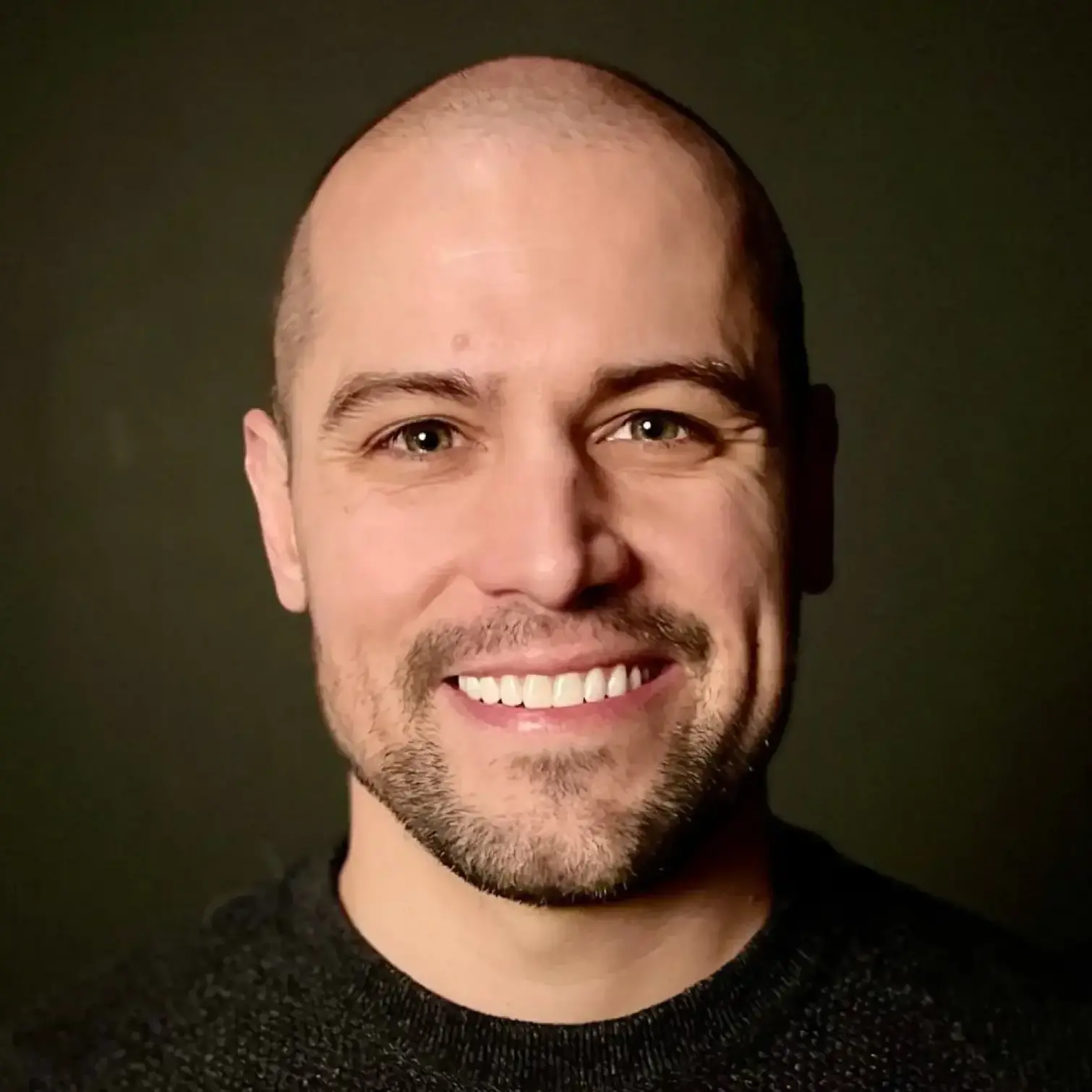
Founder & executive director
Founder and Executive Director, Americans for Safe Aerospace
Ryan Graves founded Americans for Safe Aerospace to give pilots and other witnesses a trusted path to report UAP and turn those reports into evidence for research and policy. A former U.S. Navy F/A-18F pilot, he testified before Congress in 2023 about UAP and aviation safety.
Our advisors bring experience from the flight deck, government, and the research community.
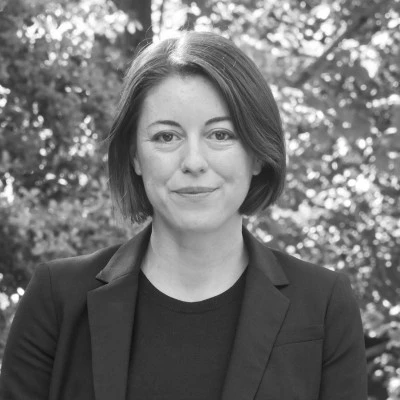
Former U.S. Navy fighter pilot and Naval Academy instructor
Alex Dietrich served for 20 years as a U.S. Navy officer, flying F/A-18F Super Hornets and teaching leadership and ethics at the U.S. Naval Academy. She was one of the pilots who reported the 2004 Nimitz UAP encounter, bringing firsthand operational experience to the discussion of unexplained aerial observations.

Retired U.S. Navy commander and fighter squadron leader
David Fravor commanded the U.S. Navy’s VFA-41 Black Aces, flying F/A-18F Super Hornets from USS Nimitz. A witness to the 2004 Nimitz UAP encounter, he testified before Congress in 2023, bringing a squadron commander’s perspective to questions about military observations and government oversight.
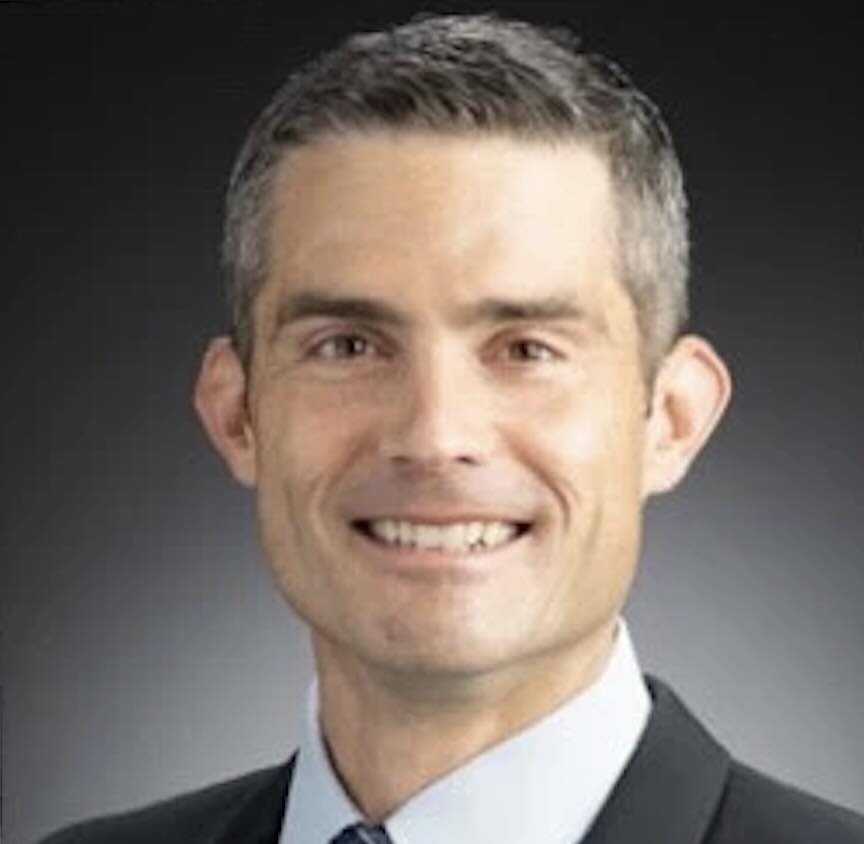
Former Marine Corps F/A-18D weapons systems officer
Michael Greene combines experience as a Marine Corps F/A-18D weapons systems officer with defense analysis and systems engineering. His career includes leadership in Navy cyber warfare analysis and technical roles at Johns Hopkins Applied Physics Laboratory, giving him a practical understanding of aircraft operations and complex defense systems.
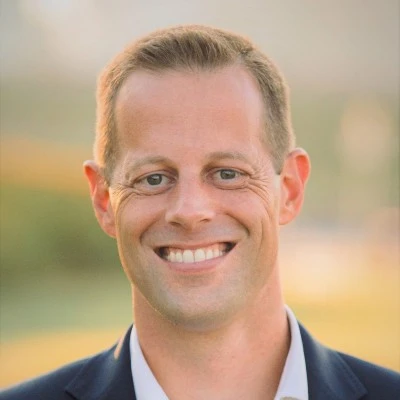
Retired U.S. Navy commander and congressional military adviser
Sam Fletcher is a retired U.S. Navy commander whose career combined F/A-18F operations with deployments to Iraq, Afghanistan, and East Asia. He also taught government and international relations at the U.S. Naval Academy and advised members of both the House and Senate on military affairs.
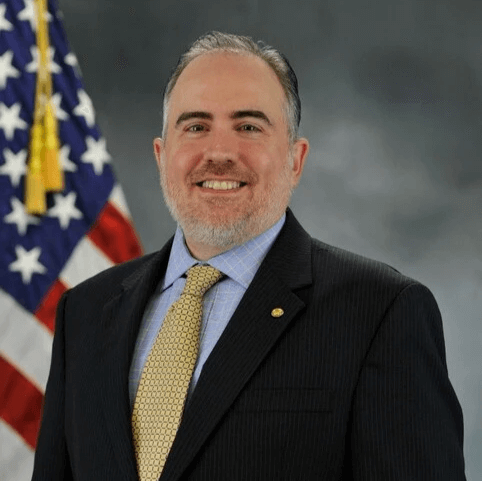
Former Director, UAP Task Force
Jay Stratton is a former senior executive at the Office of Naval Intelligence with more than three decades of intelligence experience. As the first director of the UAP Task Force, he led an interagency effort to standardize the collection and reporting of unidentified aerial observations.
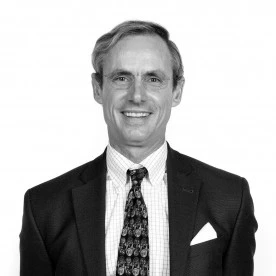
Former Deputy Assistant Secretary of Defense for Intelligence
Christopher Mellon served as Deputy Assistant Secretary of Defense for Intelligence and minority staff director of the Senate Intelligence Committee. His nearly two decades in the intelligence community span executive branch policy and congressional oversight, giving him experience on both sides of government accountability.

Retired U.S. Navy rear admiral; former acting NOAA administrator
Tim Gallaudet is a retired U.S. Navy rear admiral and oceanographer who served as acting administrator of NOAA and Assistant Secretary of Commerce for Oceans and Atmosphere. He also led the Naval Meteorology and Oceanography Command, connecting scientific expertise with operational experience across the maritime environment.

Former congressional defense and intelligence staff member
Kirk McConnell spent 37 years on congressional staff, serving the Senate Armed Services Committee and the House and Senate intelligence committees. He participated in UAP investigations and helped draft related legislation, bringing extensive experience in defense oversight and the relationship between Congress and the intelligence community.
Former chief of staff to Senator Harry Reid
Susan McCue served as chief of staff to Senator Harry Reid and as the founding president and CEO of the ONE Campaign. She founded Message Global, building on a career in congressional leadership, strategic communications, and public advocacy in the United States and internationally.
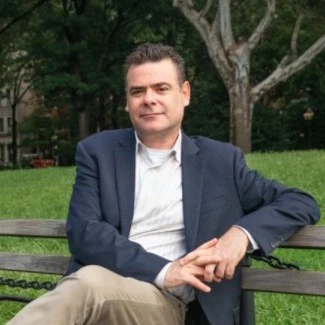
Communications executive and former POLITICO defense editor
Bryan Bender is a communications executive and former POLITICO defense editor and senior national correspondent. His reporting career also included the Boston Globe and Jane’s Defence Weekly, covering military operations, government secrecy, and national security; he now advises organizations on communications strategy at SMI.
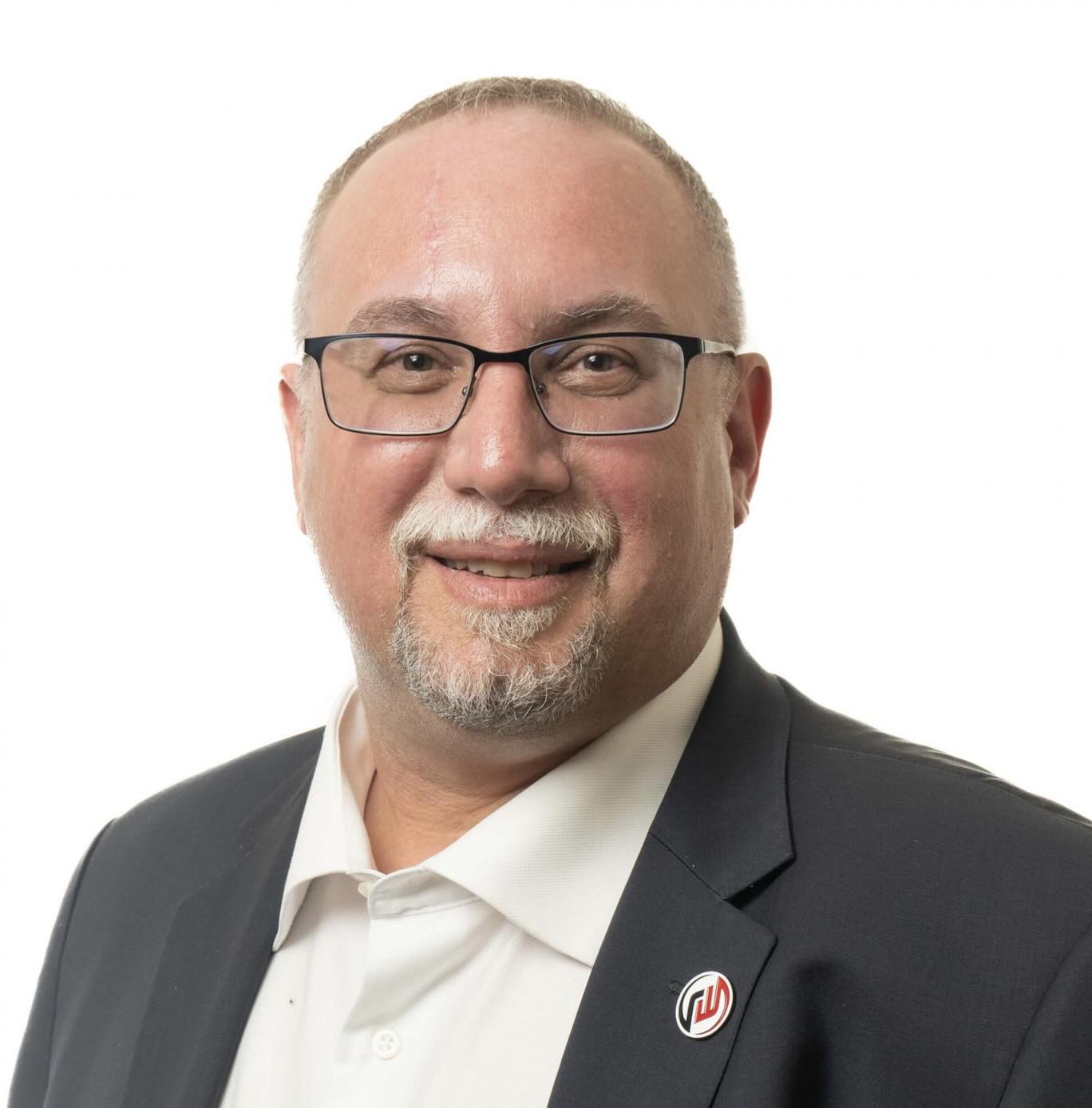
Former NASA Associate Administrator for Space Policy and Partnerships
Mike Gold is president of Redwire’s Space business and a former NASA Associate Administrator for Space Policy and Partnerships. His NASA work included leadership on the Artemis Accords and international cooperation, followed by service on the agency’s independent UAP study team.
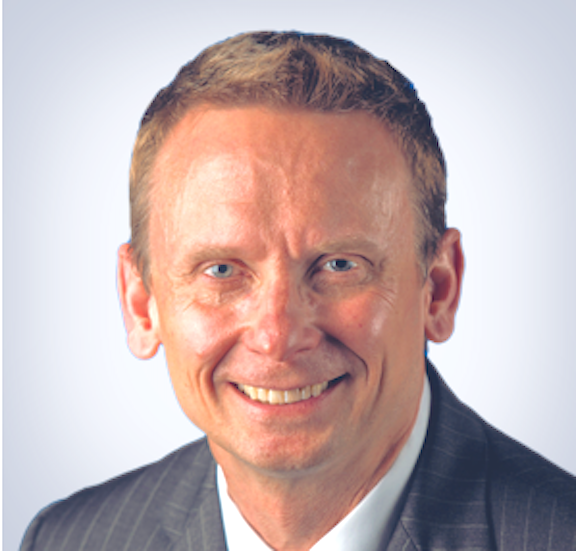
Former NASA Chief Financial Officer and Chief of Staff
David Radzanowski served as NASA’s chief financial officer and chief of staff, following work at the Office of Management and Budget and Congressional Research Service. He chairs the board of CASIS, the nonprofit that manages the International Space Station National Laboratory, bringing financial and policy experience to space research.
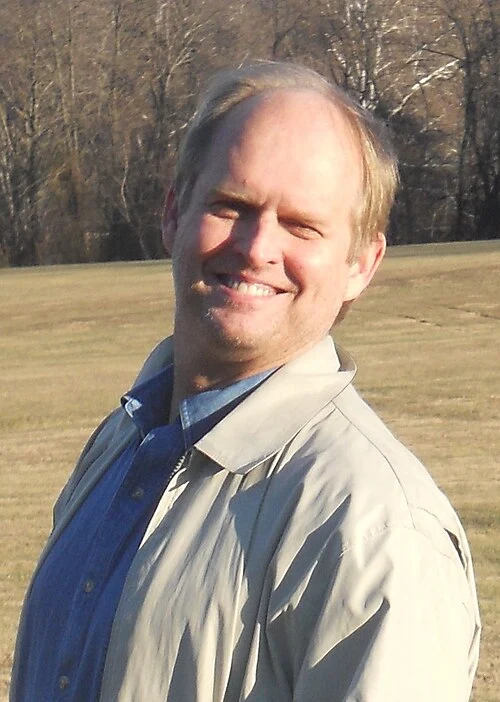
Associate Professor of Economics, George Mason University
Robin Hanson is an associate professor of economics at George Mason University whose research examines prediction markets, incentives, and decision-making under uncertainty. With earlier research programming experience at NASA and Lockheed, he brings a perspective that connects economics, technology, and the assessment of competing explanations.
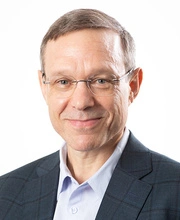
Professor of Science, Harvard University; Galileo Project head
Avi Loeb is Harvard University’s Frank B. Baird Jr. Professor of Science and a former chair of its astronomy department. He leads the Galileo Project and has conducted research on black holes, the early universe, and the scientific search for evidence of extraterrestrial technology.
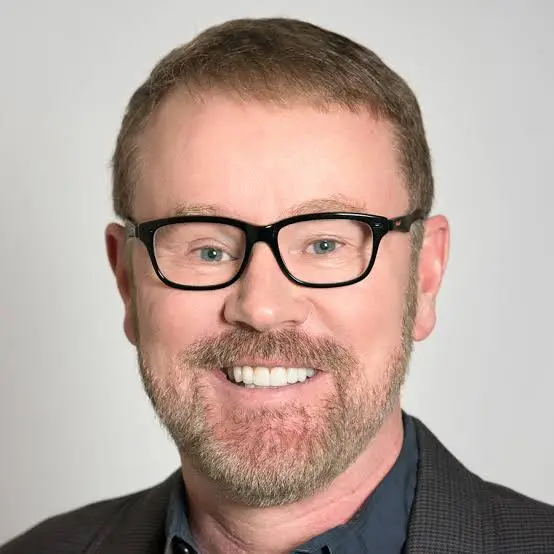
Professor of Pathology, Stanford University
Garry Nolan holds the Rachford and Carlota A. Harris professorship in pathology at Stanford University. His work in immunology, cancer biology, and technologies for measuring individual cells combines laboratory research with biotechnology entrepreneurship, providing experience in the careful measurement and analysis of complex biological systems.
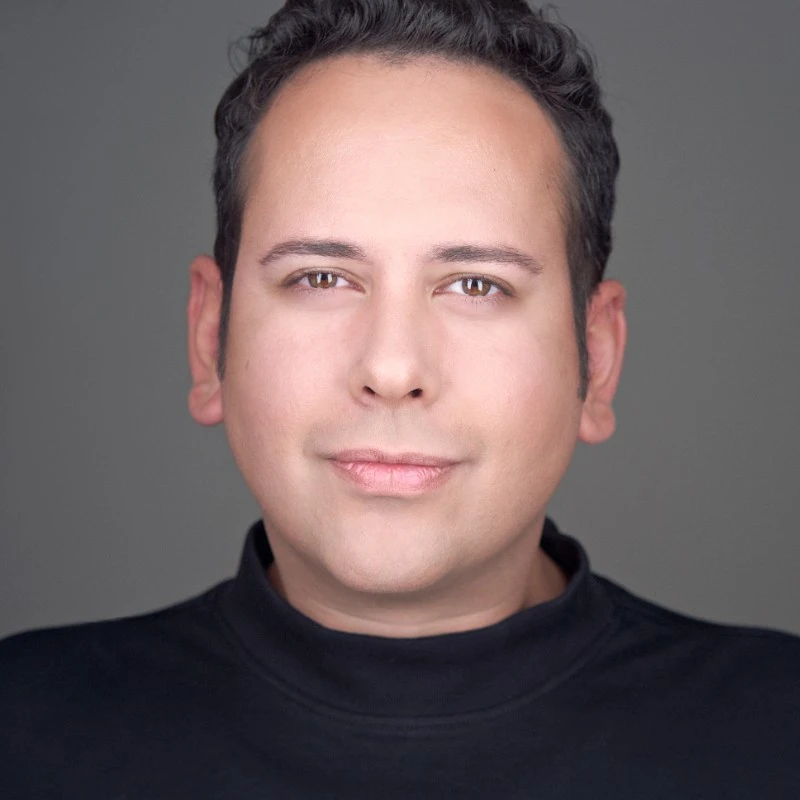
Adjunct Professor, Carnegie Mellon Language Technologies Institute
Ravi Starzl is an adjunct professor at Carnegie Mellon University’s Language Technologies Institute. His work combines machine learning, mathematical modeling, and large-scale data analysis across biological and other complex systems, alongside experience building biotechnology and software ventures and teaching advanced methods for working with data.
Stay connected
Join Ground Crew for the Dispatch newsletter, updates, and access to the ASA content archive.
Join Ground CrewContact ASABe part of the mission
Support the reporting, research, and advocacy that move aviation safety forward.